Have you ever unboxed a beautifully designed package and wondered how every fold, edge, and print aligns so flawlessly? Behind that seamless design lies one of the most essential yet often overlooked elements of packaging design — the dieline.
So, what is a dieline? Simply put, it’s the invisible framework that brings your packaging design to life. Without it, even the most creative packaging concepts could crumble (literally). Whether you’re creating a box template for chocolates, food packaging design, or luxury cosmetic boxes, understanding dielines is the foundation of flawless package design.
Let’s dive deep into what makes a dieline the unsung hero of packaging—and how mastering it can transform your brand’s presentation.
What is a Dieline in Packaging?
A dieline is essentially a 2D layout that serves as the blueprint for your packaging. It shows where your packaging will be cut, folded, glued, and printed. In the world of dieline packaging, this design file acts as a roadmap, ensuring every detail is accurately aligned before printing and assembling.
If you’ve ever seen a flat box template with solid, dashed, and dotted lines—those are dielines. The solid lines indicate cutting edges, dashed lines show fold areas, and dotted lines often mark bleed zones for printing.
Think of it like this: a dieline design is to packaging what a floor plan is to a building. Without it, the final product wouldn’t stand correctly or function as intended.
What is a Dieline Template?
A dieline template is a pre-made digital layout that guides designers in placing logos, artwork, and text accurately. These templates ensure that your brand’s visual elements fit perfectly once the packaging is printed and folded.
Designers use dieline templates in tools like Adobe Illustrator or ArtiosCAD to visualize how a flat sheet will transform into a 3D product. Whether you’re designing food packaging design or creating packaging design templates for cosmetics, starting with a dieline template ensures precision and saves costly mistakes during printing.
The Importance of a Packaging Dieline
Why is a dieline so important? Because in packaging, even a few millimeters can make or break your design. The packaging dieline ensures your artwork is perfectly positioned so that your logo doesn’t land on a crease or your brand name isn’t accidentally trimmed during production.
Without a properly designed die line for printing, misalignments, uneven cuts, and design inconsistencies can occur—turning a professional product into a printing disaster.
A good dieline packaging design guarantees:
- Accuracy – Every fold and edge aligns perfectly.
- Efficiency – Reduces printing errors and material waste.
- Consistency – Ensures every batch looks identical.
How Dieline Design Shapes the Creative Process
In the world of packaging designs, creativity and precision must go hand in hand. The dieline design allows graphic designers to visualize how their creative elements will appear once the packaging is assembled.
For example:
- The front-facing area is reserved for your logo and main visuals.
- Side flaps include essential product details.
- Bottom panels feature barcodes, ingredients, or legal information.
By using a dieline, designers can also plan interactive elements—like windows, cutouts, or unique folds—without affecting the functionality of the package.
When combined with the latest packaging trends, dielines help bring innovative shapes and designs to life, from minimalist food packaging design to high-end custom packaging boxes.
How Does Die Line Printing Work?
ow that you understand what is a dieline, let’s explore how it translates into printing. Die line printing is the process of using a metal die (or mold) to cut and shape the printed material into its final form.
Here’s how it typically works:
- The designer creates a dieline design template based on product dimensions.
- The dieline is approved and sent to the manufacturer.
- A custom metal die is created to cut along the dieline’s outlines.
- The printed sheets are placed under the die, cut, and folded into boxes.
This process is used across industries—from sleek cosmetic cartons to food packaging design and a retail box template—ensuring accuracy, speed, and professional results.
Common Mistakes in Dieline Packaging
Even seasoned designers can make mistakes when working with dielines. Here are a few to watch out for:
- Forgetting to include bleed margins (leading to white edges).
- Misplacing key elements like logos or barcodes.
- Ignoring fold and glue areas, which can hide important artwork.
- Using low-resolution images that blur during die line printing.
Avoiding these errors ensures your packaging design remains sharp, professional, and print-ready.
Dielines and Packaging Trends
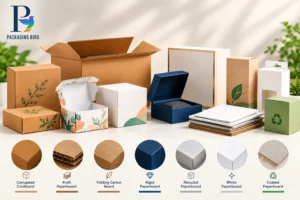
Modern packaging trends are redefining how dielines are used. With the rise of sustainability and e-commerce, brands now experiment with smarter packaging design templates—reducing material waste, optimizing shipping, and improving unboxing experiences.
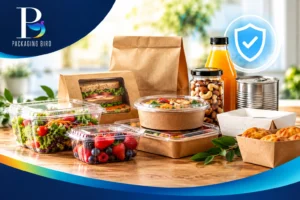
Eco-conscious package design now relies on dielines that minimize excess flaps and use recyclable materials. Meanwhile, food packaging design is embracing window cutouts and resealable tabs, both made possible through thoughtful dieline design.
In short, dielines are evolving beyond technical blueprints—they’re part of the creative process shaping the future of brand packaging.
Final Word
In the ever-evolving world of packaging designs, understanding what is a dieline is crucial for brands that want to combine creativity with precision. Whether you’re crafting elegant food packaging design, trendy packaging dielines, or a cutting-edge box template, a well-structured dieline ensures your final product looks flawless. At Packaging Bird, we specialize in turning dieline precision into stunning design execution. From concept to completion, we make sure every cut, fold, and print tells your brand’s story beautifully. Make your packaging stand out—because great design starts with the perfect dieline.
FAQS
- What is a dieline in packaging?
A dieline is a 2D outline that maps out where your packaging will be cut, folded, and glued during production. - Why is a dieline important in packaging design?
It ensures accuracy, alignment, and precision in a packaging design, preventing costly printing or assembly errors. - What is a dieline template used for?
A dieline template helps designers place artwork correctly on a flat layout before printing and cutting. - How does die line printing work?
In die line printing, a metal die cuts along the dieline’s edges to shape packaging materials precisely. - Can dielines be customized for unique packaging designs?
- Absolutely! Custom packaging dielines allow brands to experiment with creative shapes and structures.