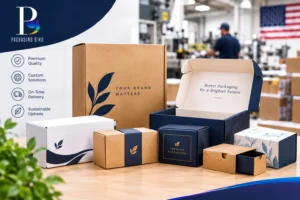
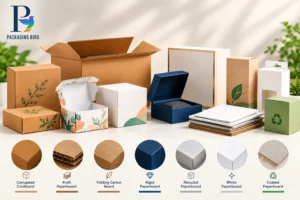
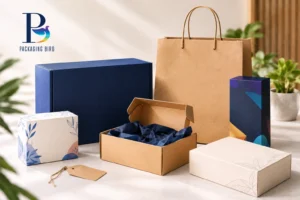
Packaging has developed into a potent brand asset that directly affects how consumers view your goods in today’s fiercely competitive market. It is no longer merely a protective shell. The appearance and feel of your product packaging can affect customer perception, impact purchasing decisions, and determine whether or not your brand is noticed.
Great packaging design, in our opinion, combines strategy, imagination, and practicality. Over the years, we have witnessed companies make significant investments in the quality of their products while ignoring crucial packaging design mistakes that ultimately hinder their profitability.
These are the top 7 packaging design blunders to avoid in 2026, along with solutions, if you want your packaging to genuinely boost your business.
Key Takeaways
- Packaging design is a strategic asset — it directly influences customer perception, buying decisions, and overall brand success.
- A strong brand identity must be reflected in your product packaging to build recognition and trust.
- Simple and clean design outperforms cluttered visuals, creating a more premium packaging experience.
- The unboxing experience is a powerful tool for increasing customer satisfaction and brand recall.
- Choosing the right packaging materials—such as rigid boxes or folding cartons—impacts both perception and functionality.
- Sustainability matters — using eco-friendly and recyclable materials strengthens your brand image and meets modern consumer expectations.
- Functionality and user experience are just as important as aesthetics—packaging must be practical and easy to use.
- Designing for logistics, scalability, and cost efficiency is essential for long-term growth and operational success.
- Avoiding common packaging design mistakes helps brands stay competitive in a crowded market.
- Partnering with experts like Packaging Bird ensures your packaging delivers both visual impact and performance.
Top 7 Mistakes to Avoid in Packaging Design
1. Ignoring Brand Identity
Failing to match packaging to the brand identity is one of the most frequent packaging design mistakes. Whether it’s luxury, sustainability, innovation, or minimalism, your packaging should immediately convey your company identity.
Your audience is confused, and brand recognition is weakened when packaging is inconsistent in terms of colour, font, and messaging. Consumers ought to be able to quickly identify your product.
What to do instead:
Make packaging that upholds your brand positioning, displays your brand guidelines, and strengthens your brand identity. Long-term loyalty and trust are fostered by consistency.
2. Overcomplicating the Packaging Design
Many organizations attempt to incorporate too much information or design elements, leading to cluttered images that confuse and overwhelm consumers.
Simplicity is essential in contemporary packaging design. A neat and organised layout improves both readability and the customer experience.
What to do instead:
Pay attention to strong visual hierarchy and simple and clean design. Emphasize the most important details while giving the design room to breathe. This method gives the packaging a more sophisticated and high-end appearance.
3. Neglecting the Unboxing Experience
With the growth of e-commerce and social media sharing, the unboxing experience has become an essential component of the customer journey.
You lose out on a chance to create an emotional connection and raise customer satisfaction if your packaging seems uninspired or generic.
What to do instead:
Create packaging that improves the packaging experience as a whole. A straightforward box may be transformed into an unforgettable product display with the addition of components like inserts, textures, magnetic closures, and meaningful messages. Our goal at Packaging Bird is to create experiences that consumers will remember and want to share.
4. Choosing the Wrong Materials
Both impression and performance are significantly impacted by the packaging material selection. Using subpar or inappropriate materials might harm your brand’s reputation and have a detrimental effect on product protection.
When a premium product is packaged in weak materials, for example, consumers notice the discrepancy right away.
What to do instead:
Choose materials that support the objectives of your brand and product. The appropriate material improves both durability and presentation, whether it’s folding cartons for efficiency or rigid boxes for luxury appeal. When possible, use eco-friendly products to satisfy contemporary demands.
5. Ignoring Sustainability
Sustainability is becoming a need rather than a fad. Today’s consumers favour companies that actively lessen their environmental impact and place a high priority on eco-friendly packaging.
Ignoring sustainability might hinder your brand’s growth in conscientious areas and damage its reputation.
What to do instead:
Use recyclable materials, cut back on extra packaging, and select environmentally friendly packaging options to adopt sustainable packaging practices. This enhances your brand’s credibility while also helping the environment.
6. Poor Functionality and User Experience
If a physically appealing package is not useful, it is ineffective. Inconvenient designs, poor construction, or difficult-to-open boxes irritate consumers and lower customer satisfaction.
Real-world usability should always be taken into account in good design.
What to do instead:
Put the customer experience first by making sure your packaging is functional, long-lasting, and simple to open. To find and address usability problems early on, test your ideas from the viewpoint of a consumer.
7. Not Designing for Logistics and Scalability
Ignoring shipping, storage, and logistics issues can be quite expensive. Operational costs might be greatly increased by packaging that looks fantastic but is difficult to store or transport.
This is particularly crucial for companies that want to produce on a broad scale.
What to do instead:
Consider cost-effectiveness and scalability while packaging design. Rigid boxes are more appropriate for high-end goods, while folding cartons are great for minimising space and lowering shipping expenses. Long-term success is ensured by striking a balance between design and operational effectiveness.
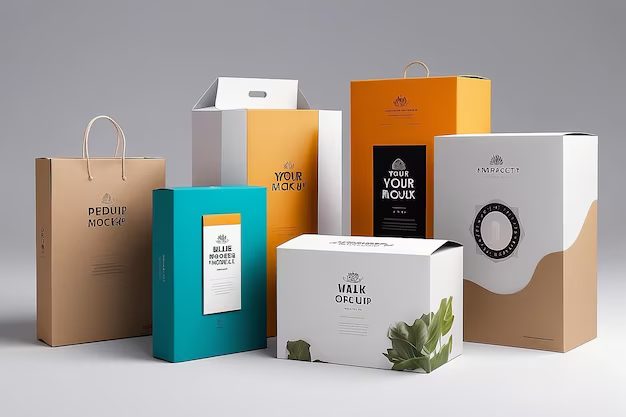
Why Avoiding These Mistakes Matters
Your packaging is often the first physical interaction customers have with your brand. It directly influences brand perception, product presentation, and overall experience.
Avoiding these common mistakes helps you:
- Strengthen brand recognition
- Improve customer experience
- Increase cost efficiency
- Support scalability
- Compete effectively in a competitive market
In 2026, brands that succeed are those that treat packaging design as a strategic investment rather than an afterthought.
How Packaging Bird Helps You Get It Right
At Packaging Bird, we specialize in creating packaging solutions that combine creativity with practicality. Our approach focuses on delivering results that align with your business goals.
We help brands achieve:
- Strong and consistent brand identity
- High-impact premium packaging
- Innovative sustainable packaging solutions
- Optimized production efficiency and logistics
Whether you need rigid boxes, folding cartons, or fully customized solutions, we ensure your packaging not only looks great but also performs efficiently.
Final Thoughts
Effective packaging design is an essential component of your brand strategy and goes beyond simple aesthetics. You may produce packaging that improves customer satisfaction, fosters trust, and promotes long-term growth by avoiding these typical packaging blunders.
The appropriate packaging can help your brand stand out in a market that is competitive and changing quickly. Packaging Bird can help you transform packaging into an effective instrument for success.
Frequently Asked Questions
- Why is packaging design important for branding?
Packaging design shapes customer perception, strengthens brand identity, and plays a key role in influencing buying decisions.
- What is the most common packaging design mistake?
One of the most common packaging design mistakes is ignoring brand identity, which leads to inconsistent and ineffective packaging.
- How can packaging be both premium and sustainable?
By using recyclable materials, reducing waste, and choosing eco-friendly materials, brands can achieve both premium packaging and sustainability.
- Should I use rigid boxes or folding cartons?
Rigid boxes are ideal for luxury and gifting, while folding cartons are better for cost efficiency and scalability. Many brands use a combination of both.