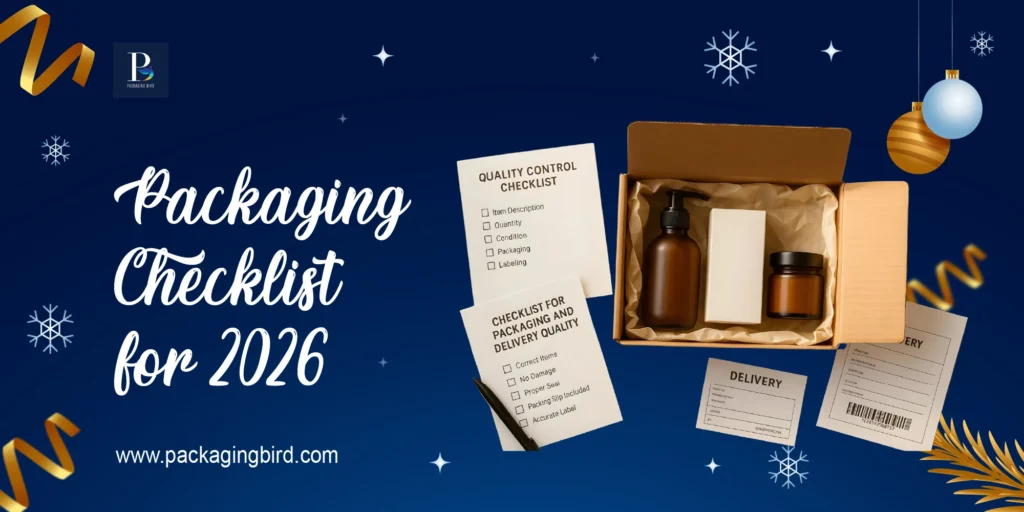
It’s the ideal opportunity to update your packaging strategy as 2026 approaches. A solid packaging checklist helps guarantee that your business stands out, whether you’re introducing a new product or updating your package for the year. Let’s explore the fundamentals of designing innovative packaging that offers your clients genuine value.
Key Takeaways: Packaging Checklist for 2026
- A strong packaging checklist starts with brand alignment. Your packaging should clearly reflect your brand’s identity, values, and personality to create instant recognition and trust.
- Sustainability is essential, not optional. Eco-friendly materials, recyclability, and waste reduction are expected by consumers in 2026 and should be a core part of any packaging checklist.
- Functionality matters as much as aesthetics. Easy-to-open, resealable, durable, and tamper-proof packaging improves customer experience and reduces negative impressions.
- Innovative packaging drives engagement. Interactive elements like QR codes, AR, NFC tags, and memorable unboxing experiences help brands stand out in crowded markets.
- Right-sizing packaging saves costs and reduces waste. Optimizing size and shape improves shipping efficiency while protecting the product and supporting sustainability goals.
- Compliance is non-negotiable. A complete packaging checklist must include legal requirements such as labels, certifications, warnings, and ingredient disclosures for each market.
- Continuous testing keeps packaging effective. Gathering customer feedback and running A/B tests allows brands to refine packaging designs and stay ahead of evolving trends.
Packaging Checklist for 2026
1. Align Your Packaging with Your Brand Identity
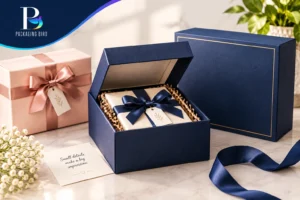
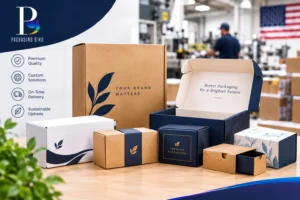
Before customers even open your box, it speaks volumes about your brand. The core of your brand identity must be reflected in your product packaging. Customers in 2026 demand openness, sustainability, and authenticity, so your packaging should reflect these ideals.
Tip: Make sure your design reflects the essence of your company, whether that means using eco-friendly materials, bold fonts, or unique shapes.
2. Embrace Sustainability: Eco-Friendly Packaging Choices
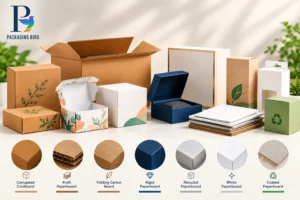
Sustainability is now a necessity rather than an option. Customers are searching more and more for companies that put sustainable packaging first. Eco-friendly options, such as recyclable, biodegradable, and reusable packaging, are not only anticipated but also preferred in 2026. In addition to benefiting the environment, using eco-friendly packaging helps you gain the trust of your clients.
Tip: Switch to materials such as recycled paper or plant-based plastics, and make sure your product packaging is easy to recycle. This can drastically improve your brand’s eco-credentials.
3. Prioritize Functional Packaging
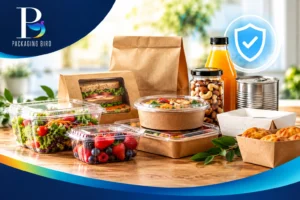
Although it’s tempting to concentrate only on beauty, functional packaging is essential to making sure your product is simple to use, store, and transport. No matter how attractive the packaging appears, poor usability can make a negative impression.
Tip: Consider product packaging that is easy to open, resealable, and tamper-proof. Think about the customer experience and how the packaging can enhance it.
4. Create Innovative Packaging Designs That Stand Out
The packaging of 2026 isn’t just about protecting products; it’s about creating an experience. Consumers are more likely to choose products that offer an interactive or innovative packaging experience. Whether it’s through augmented reality (AR), QR codes, or a unique unboxing experience, innovation is key to grabbing attention.
Tip: Add a QR code that links to exclusive content or a product story, or incorporate interactive elements that engage your customers in new ways.
5. Get the Right Size and Shape
Cost and functionality are directly impacted by the size and shape of your package. Overly large or little product packaging can waste space or provide your product with insufficient protection. Finding the ideal blend is crucial for both economical shipping and sufficient product protection.
Tip: Ensure your packaging is customized to fit your product’s dimensions while minimizing unnecessary waste and maximizing protection.
6. Stay Compliant: Legal Packaging Regulations
To make sure your packaging satisfies legal requirements, you must adhere to certain packaging regulations. Depending on the kind of product and the location of sale, these rules may include ingredient lists, warning labels, or certifications. Always review the legal requirements because noncompliance might lead to fines.
Tip: Make sure your packaging complies with the packaging regulations in the markets where you trade by becoming familiar with them. Remember to include any ingredients, usage warnings, or certificates that are required.
7. Encourage Customer Engagement with Thoughtful Packaging
In 2026, packaging isn’t just about the product—it’s about building a connection with your customers. Customer engagement can be enhanced by using your innovative packaging to communicate with consumers directly. Think about adding social media handles, loyalty program details, or special offers right on the packaging.
Tip: Include a call to action (CTA) encouraging customers to join your loyalty program, follow your brand on social media, or leave a product review.
8. Balance Aesthetics with Cost Efficiency
Excellent packaging strikes a mix between affordability and creativity. Keeping costs under control is just as vital as having innovative packaging that looks fantastic. Excessive packing might increase the cost of manufacture and transportation, which will reduce the competitiveness of your goods.
Tip: Opt for creative yet cost-effective packaging designs. Work with suppliers who can help optimize material choices and minimize waste.
9. Test and Refine Your Packaging
You still have work to do even after launching. Over time, the best packaging changes. You may learn what appeals to your audience by conducting packaging testing. You may learn what works and what doesn’t by conducting A/B tests with various materials, designs, and sizes.
Tip: Collect feedback from your customers through surveys or focus groups. Use this data to tweak your packaging for maximum appeal and functionality.
10. Stay Ahead of Packaging Trends
In order to keep a competitive edge in 2026, it will be essential to remain ahead of the always changing packaging trends. The packaging trends will continue to be shaped by sustainability, digital integration, and smart packaging. Adopting these latest trends will ensure that your packaging stays current.
Tip: Keep an eye on new materials, technologies like NFC tags, and trends like eco-friendly packaging to ensure your brand stays innovative.
Your Packaging Checklist is Your Brand’s First Impression
As 2026 approaches, keep in mind that your packaging is more than simply a container; it represents your brand and is a major factor in fostering customer engagement and loyalty. You can make packaging that looks fantastic, works flawlessly, complies with regulations, and stands out in the market by using this packaging checklist and collaborating with reliable packaging partners like Packaging Bird.
Frequently Asked Questions
1. What makes packaging sustainable?
Sustainable packaging is made from recyclable, biodegradable, or compostable materials. Brands focusing on sustainable packaging aim to reduce waste, cut down on plastic usage, and lower their carbon footprint.
2. How can I make my packaging checklist stand out?
To stand out, use innovative packaging designs that incorporate unique shapes, bold colors, and interactive elements like QR codes or augmented reality (AR). The key is to create a memorable experience.
3. What legal information should my packaging include?
Depending on your product, your packaging regulations may require ingredients, warnings, certifications, and other necessary disclosures. Make sure your packaging complies with local and international laws.
4. How do I test if my packaging is effective?
Conduct packaging testing by running A/B tests with different designs and gathering feedback from customers. This will help you refine your product packaging for better appeal and usability.