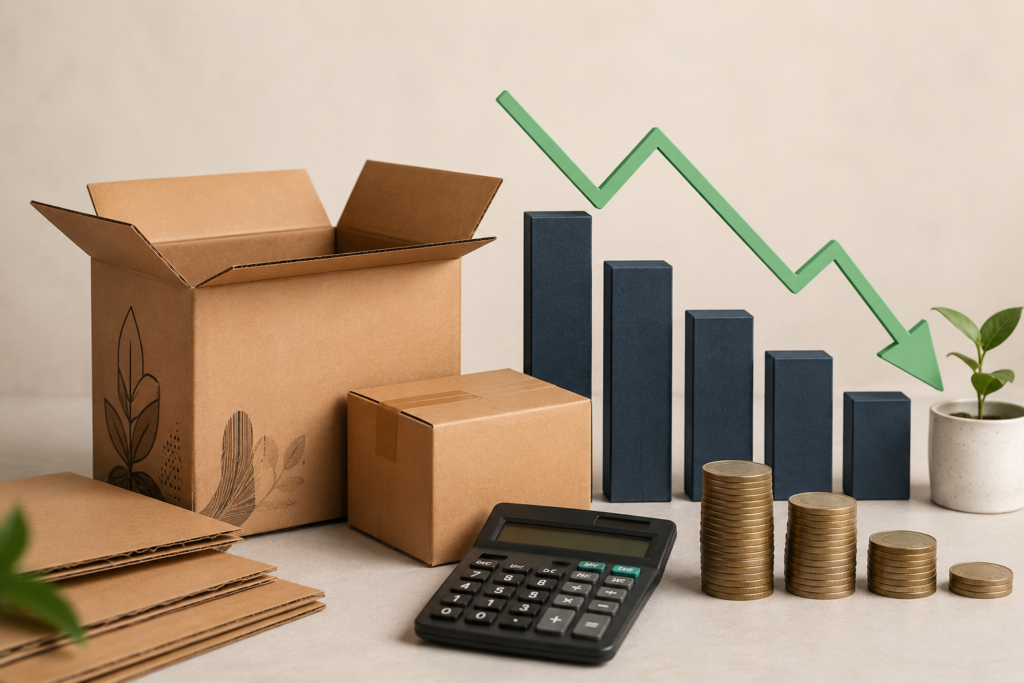
Packaging costs can have a noticeable impact on your business expenses. From choosing materials to shipping finished orders, every packaging decision can affect your budget. Using more material than necessary can also increase waste and transportation costs.
Fortunately, simple changes can make packaging more affordable. Choosing suitable materials, optimising package sizes, buying strategically, and reducing waste can help businesses reduce packaging costs while continuing to deliver products safely and professionally.
1. Choose the Right Packaging Size
Using packaging that is larger than necessary can increase your costs. Oversized boxes require more material and take up more space during transportation. A smaller package can reduce material usage and may also lower shipping expenses. However, the package should still provide enough space to protect the product properly.
Measure your products before selecting box dimensions. Consider their length, width, height, and any protective material required inside the box. Custom-sized packaging can be a smart option for businesses that ship products regularly. It allows you to create packaging around the product instead of forcing the product into standard box sizes.
Tip: Review your most-used box sizes and identify products that can share similar dimensions. This can help reduce the number of packaging sizes you need to purchase.
2. Select Cost-Effective Packaging Materials
The material you choose has a direct impact on your packaging budget. Different products require different levels of protection, so there is no need to use expensive materials when a more affordable option can perform the same job.
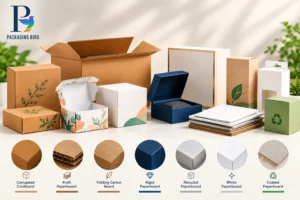
For example, kraft paper packaging can offer a practical solution for many retail products. Corrugated boxes work well for shipping because they provide strength while remaining relatively lightweight.
Consider the following factors before choosing a material:
- Product weight
- Product fragility
- Shipping distance
- Storage conditions
- Moisture exposure
- Required shelf life
- Brand presentation
The cheapest material is not always the best choice. Instead, look for a material that provides the right balance between cost, protection, and appearance.
3. Buy Packaging in the Right Quantity
Packaging suppliers often offer better pricing when businesses place larger orders. If your business uses packaging consistently, buying in bulk can reduce the cost per unit. However, avoid ordering excessive quantities simply to receive a lower price. Large stocks require storage space and may become outdated if your packaging design or product changes.
Review your sales history and estimate your packaging requirements before placing an order. A regular purchasing schedule can help you maintain a healthy inventory without tying up too much money.
4. Simplify Your Packaging Design
A complicated packaging design can increase production costs. Multiple colours, special finishes, complex structures, and additional components may raise the final price. A simple design does not have to look boring. Clean typography, thoughtful branding, and a well-planned layout can create a professional appearance without unnecessary expenses.
If your packaging requires premium finishes, use them strategically. For example, you could apply a special finish only to your logo or key design element instead of covering the entire package. This approach can help your packaging look premium while keeping production costs under control.
5. Reduce Unnecessary Packaging Layers
Some businesses use multiple layers of packaging even when they are not necessary. While additional protection can be useful for fragile products, unnecessary layers increase material consumption and disposal costs.
Review your current packaging process and ask whether every component serves a purpose.
For example, you may be able to reduce:
- Excessive tissue paper
- Unnecessary inserts
- Oversized protective materials
- Duplicate wrapping
- Extra plastic layers
- Unneeded inner boxes
The goal should not be to remove protection. Instead, focus on eliminating materials that do not provide meaningful value.
6. Consider Lightweight Packaging
Packaging weight can affect transportation costs. Heavy packaging requires more energy to transport and can increase shipping expenses. Lightweight materials can help reduce the overall weight of each shipment while still providing suitable product protection.
Before switching materials, test the packaging carefully. It should withstand handling, stacking, and transportation without causing product damage. A small reduction in weight can become significant when you ship hundreds or thousands of orders every month.
7. Work With a Reliable Packaging Supplier
Your packaging supplier can have a major impact on your overall costs. A reliable supplier can help you choose suitable materials, optimise box sizes, and identify opportunities to improve your packaging process. Long-term supplier relationships may also provide more predictable pricing and better production planning.
When comparing suppliers, do not focus only on the initial price. Consider material quality, production consistency, lead times, printing capabilities, and customer support. Packaging Bird helps businesses find practical packaging solutions that balance quality, branding, and cost.
8. Use Custom Packaging Where It Makes Financial Sense
Custom packaging can seem more expensive than standard packaging at first. However, the right custom design can help reduce waste and improve shipping efficiency. A custom box can be designed around your product dimensions. This can reduce empty space and minimise the amount of protective material needed inside.
Custom packaging can also combine branding and product protection in one solution. You may not need additional promotional materials when the package itself communicates your brand. The key is to focus on functional customisation rather than adding unnecessary features.
9. Review Your Packaging Process Regularly
Packaging costs can change as your business grows. A packaging solution that worked well when you shipped 100 orders per month may not be the most efficient choice when you ship thousands. Review your packaging expenses regularly. Look at material costs, shipping charges, storage requirements, damaged products, and labour time.
Track the cost of packaging per product or per order. This gives you a clearer picture of where your money is going. Regular reviews can help you identify small improvements that create meaningful savings over time.
10. Reduce Packaging Waste
Waste costs money. If employees use more packaging material than required, your expenses can increase without adding value to the customer. Train your team to use packaging materials efficiently. Set clear guidelines for box selection, protective materials, tape, labels, and inserts.
You can also monitor damaged or unused packaging materials. If certain materials are regularly wasted, consider changing their size, design, or purchasing quantity. Reducing waste can lower expenses while supporting a more sustainable packaging strategy.
11. Balance Cost With Customer Experience
Reducing packaging costs does not mean choosing the cheapest option available. Your packaging still represents your brand. Poor-quality packaging can lead to damaged products, customer complaints, and returns. These problems can cost much more than the original packaging savings. Instead, aim for cost-effective packaging that provides reliable protection and a professional presentation.
Think about what your customers actually need. Remove unnecessary features while keeping the elements that protect the product and strengthen your brand identity.
Conclusion
Finding ways to reduce packaging costs can help businesses improve their profit margins without compromising product protection or brand quality. Choosing the right box size, selecting suitable materials, buying strategically, reducing waste, and simplifying designs can all contribute to lower packaging expenses.
The best approach is to evaluate your complete packaging process instead of focusing on one individual cost. Small improvements can create substantial savings when applied across thousands of orders.
Packaging Bird can help businesses explore packaging solutions that match their products, branding needs, and budget. Whether you need custom boxes, printed packaging, or practical shipping solutions, the right packaging strategy can make your business more efficient and competitive.
Ready to optimize your packaging costs? Contact Packaging Bird to explore custom packaging solutions designed around your business needs.