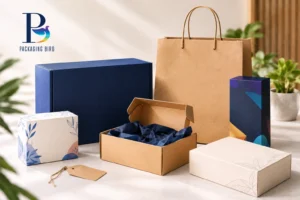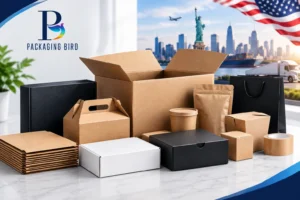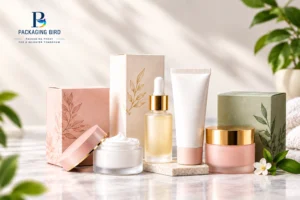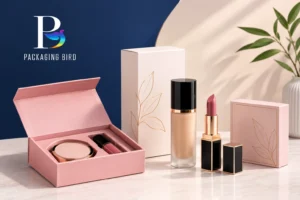
Packaging is no longer just a protective layer around a product. In 2026, brands are using packaging to communicate their identity, attract attention, improve customer experience, and stand out in an increasingly competitive market. From sustainable materials to bold visual styles, the latest packaging design trends for 2026 are focused on creating packaging that is useful, memorable, and visually appealing.
For businesses, keeping up with these trends can make a major difference. The right packaging design can influence purchasing decisions, strengthen brand recognition, and encourage customers to share their unboxing experiences online.
Whether you are launching a new product or updating your existing packaging, here are the top packaging design trends worth considering in 2026.
1. Sustainable Packaging Designs
Sustainability continues to be one of the most important packaging trends in 2026. Consumers are paying closer attention to the environmental impact of the products they purchase, including the packaging.
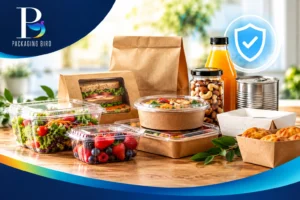
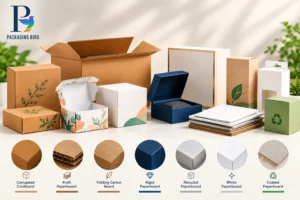
Brands are moving towards recyclable, reusable, compostable, and responsibly sourced materials. Paperboard, kraft paper, recycled cardboard, and other environmentally conscious options are becoming increasingly popular.
However, sustainable packaging is not only about choosing the right material. Businesses are also reducing unnecessary layers, excessive plastic, and oversized boxes. A simple package that uses fewer resources can communicate a strong commitment to responsible business practices.
For brands, sustainable packaging can also become part of their marketing message. Clear information about recyclable materials or responsible sourcing can help build trust with environmentally conscious customers.
2. Minimalist Packaging with Strong Visual Impact
Minimalism remains a major influence on modern packaging design. Instead of filling every available space with graphics and information, brands are choosing cleaner layouts with carefully selected design elements.
Simple typography, limited colour palettes, generous white space, and clear product information can create a sophisticated appearance. Minimalist packaging can also make it easier for customers to understand what a product is and why it is different.
The key is to avoid making the design look empty. Successful minimalist packaging uses spacing, typography, colours, and carefully positioned branding to create a strong visual hierarchy.
3. Bold Colours and Vibrant Visuals
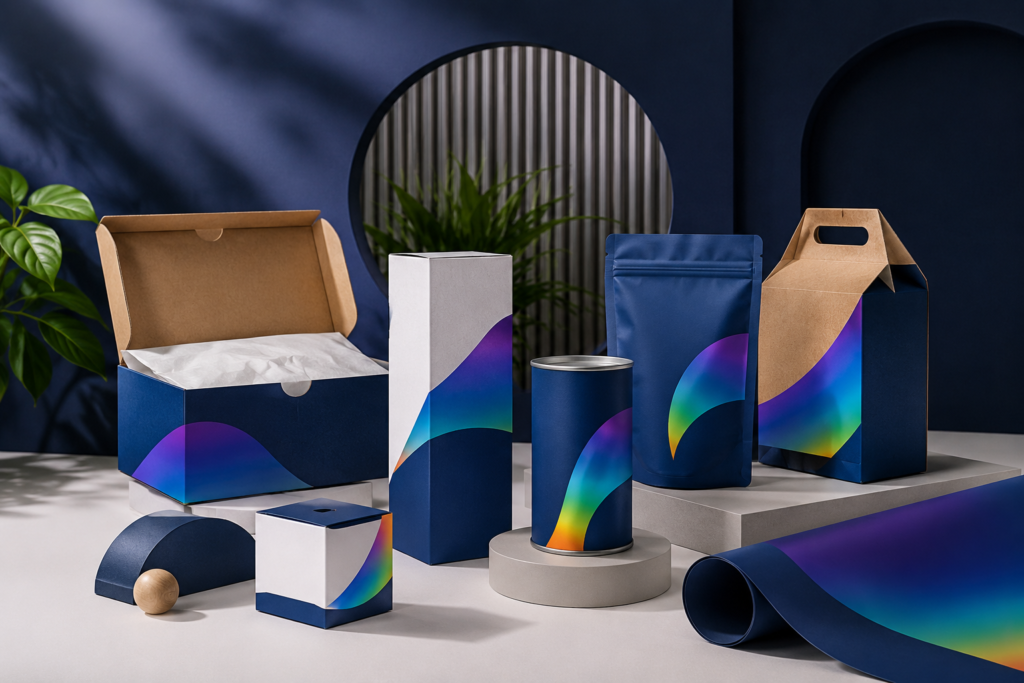
While minimalism is growing, bold colours are also making a strong impact in 2026. Brands that want their products to stand out on retail shelves or online marketplaces are experimenting with vibrant colours and unexpected combinations. Bright orange, electric blue, vivid green, energetic pink, and other expressive shades can give packaging a youthful and modern personality.
Colour can also help businesses create recognition. When a particular colour scheme is consistently used across packaging, customers may begin to associate those colours with the brand. The most effective designs balance bold colours with readable typography and a clear visual structure.
4. Personalised Packaging Experiences
Personalisation is becoming an increasingly valuable part of packaging. Customers enjoy receiving products that feel specially designed for them rather than completely generic.
Brands can introduce personalisation in several ways. Packaging may include personalised messages, limited-edition artwork, customer names, seasonal designs, or customised inserts.
Even small details can make a package feel more personal. A thank-you message or a short note about the brand can turn a simple delivery into a more memorable experience.
For e-commerce businesses, personalised packaging can be particularly useful because the packaging is often the customer’s first physical interaction with the brand.
5. Interactive Packaging
Another exciting trend in packaging design for 2026 is interactivity. Modern packaging can do more than display information; it can encourage customers to interact with the product and brand. QR codes are one of the simplest ways to create an interactive experience. A customer can scan a code to access product instructions, tutorials, recipes, exclusive content, loyalty programmes, or social media pages.
Some brands are also experimenting with creative opening mechanisms, hidden messages, puzzles, and packaging that can be reused in different ways. Interactive features give customers another reason to remember the brand after the initial purchase.
6. Premium Packaging with Tactile Finishes
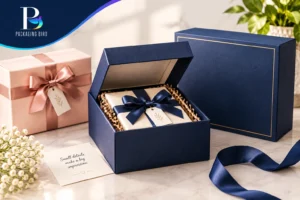
Customers often judge quality through their senses, and packaging can play an important role in that experience. In 2026, premium brands are continuing to explore tactile packaging finishes that make boxes feel more distinctive. Embossing, debossing, foil details, textured papers, soft-touch coatings, and spot finishes can add depth and sophistication to a package.
These features do not necessarily need to cover the entire box. Using one or two premium finishes strategically can create a high-end appearance without making the design unnecessarily complicated. For luxury products such as cosmetics, jewellery, watches, and speciality foods, tactile details can help communicate quality before the product is even opened.
7. Custom Shapes and Creative Structures
Traditional rectangular boxes are practical, but creative packaging structures can help a product attract attention. In 2026, brands are exploring unusual shapes, creative folds, window cut-outs, sliding boxes, drawer-style packaging, and other structural concepts. The objective is not simply to make packaging look different but to create a better connection between design and function.
A creative box can also improve the unboxing experience. When customers enjoy opening a package, they are more likely to remember the brand and potentially share their experience on social media. However, structural creativity should always consider shipping, storage, product protection, and production costs.
8. Authentic and Handcrafted Design Styles
Consumers are increasingly attracted to packaging that feels genuine and human. This has encouraged brands to experiment with handcrafted visual styles, hand-drawn illustrations, natural textures, imperfect lettering, and artistic graphics.
These designs can create a warm and approachable personality, particularly for food, beverages, skincare, handmade products, and small businesses. Instead of trying to look perfectly polished, handcrafted packaging can communicate authenticity. It can make a brand feel more personal and less corporate. This approach is especially useful for businesses that want to highlight craftsmanship, local production, or traditional methods.
9. Smart and Functional Packaging
Packaging design is increasingly combining aesthetics with practical functionality. Customers want packages that are easy to open, store, carry, and reuse.
Features such as resealable closures, handles, compartments, protective inserts, and reusable boxes can improve the overall customer experience. Functional packaging can also reduce waste because customers may find another use for the box instead of throwing it away immediately.
For e-commerce brands, functionality is particularly important. Packaging needs to protect products during transportation while remaining convenient for customers to open and dispose of or reuse.
10. Storytelling Through Packaging
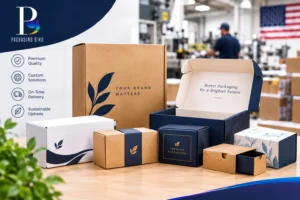
One of the strongest packaging design trends for 2026 is storytelling. Instead of simply displaying a logo and product name, brands are using packaging to communicate their personality and values. Illustrations, short messages, origin stories, ingredient information, manufacturing details, and brand history can all become part of the design.
Storytelling gives customers a reason to connect with the product beyond its practical purpose. For example, a food brand might use its packaging to explain where its ingredients come from, while a skincare company could communicate its approach to natural ingredients. When the story is genuine and easy to understand, packaging can become an important part of the overall brand experience.
How to Choose the Right Packaging Design Trend
Not every packaging trend will be suitable for every business. A successful design should reflect the product, target audience, brand identity, and budget.
Before choosing a design direction, consider:
- Your target customers: What visual styles appeal to them?
- Your brand identity: Does the design match your existing colours, logo, and messaging?
- Product requirements: Does the packaging provide enough protection?
- Production costs: Can the design be produced consistently at your required quantity?
- Sustainability: Can you reduce unnecessary materials or choose recyclable alternatives?
- Customer experience: Is the packaging easy to open, use, store, and dispose of?
- Retail and online visibility: Will the package stand out both on shelves and in product photographs?
The best packaging usually combines several of these factors rather than following a trend simply because it is popular.
Conclusion
The packaging design trends for 2026 show that successful packaging is becoming more purposeful. Sustainability, minimalism, bold colours, personalisation, interactivity, tactile finishes, creative structures, and storytelling are all helping brands create stronger connections with customers.
For businesses, the goal should not be to follow every trend. Instead, choose design elements that support your brand and provide genuine value to customers. Well-designed packaging should look attractive, protect the product, communicate the brand message, and create a positive experience from the moment the customer receives it.
For businesses looking for professionally designed and customised packaging solutions, Packaging Bird can help turn creative packaging ideas into practical designs that represent your brand and products effectively.