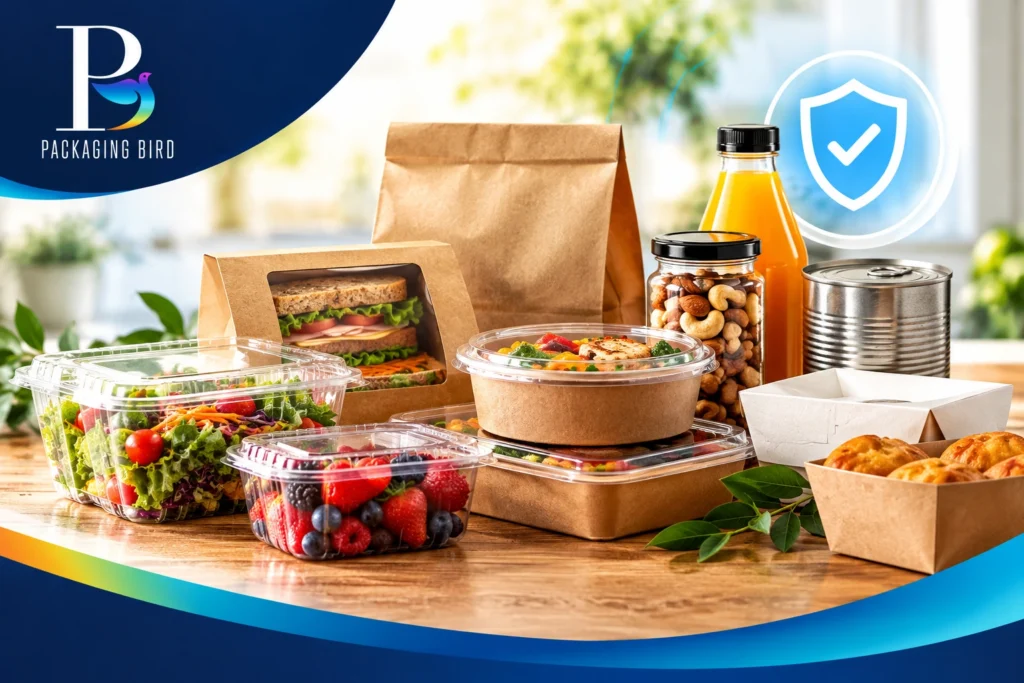
Food quality matters to every food business, whether it operates a restaurant, bakery, grocery store, or food manufacturing facility. Customers expect the food they purchase to be fresh, clean, and safe to eat. However, maintaining food quality can be challenging when products need to be stored, transported, and displayed before reaching consumers. This is where food packaging solutions play an important role.
The right packaging does more than hold food. It helps protect products from contamination, reduces exposure to moisture and air, and supports better storage and transportation. It can also improve the customer experience by making food easier to handle and store.
At Packaging Bird, understanding the value of suitable food packaging can help businesses make informed choices for their products. From selecting the right materials to choosing packaging that meets specific storage needs, every decision can contribute to food quality and safety.
Why Food Packaging Is Important for Food Safety
Food can lose its quality when exposed to bacteria, moisture, oxygen, dust, and other environmental factors. Packaging creates a protective barrier between food and its surroundings, helping reduce the risk of contamination during handling, storage, and delivery.
For example, bakery products need packaging that protects their texture while keeping them clean. Fresh produce benefits from packaging designed to manage moisture and airflow, while prepared meals may require containers that can handle refrigeration or reheating.
Proper packaging also helps food businesses maintain consistent quality throughout the supply chain. When packaging is selected according to the product’s requirements, it becomes easier to protect food from the time it leaves the production facility until it reaches the customer.
How Food Packaging Solutions Keep Food Fresh
Freshness is one of the main factors that influence customer satisfaction. Food that looks, smells, and tastes fresh is more likely to meet consumer expectations. Effective packaging supports freshness in several ways.
1. Reducing Exposure to Air and Oxygen
Oxygen can contribute to oxidation, which may cause certain foods to change color, develop unwanted flavors, or lose quality. Packaging materials with suitable oxygen barrier properties can slow these changes.
Products such as nuts, snacks, processed meats, and other packaged foods may benefit from packaging designed to limit oxygen exposure. Depending on the product, vacuum packaging or modified atmosphere packaging may also help extend shelf life when used correctly.
However, packaging alone cannot guarantee freshness. Food handling, storage temperatures, and processing methods also influence how long a product remains suitable for consumption.
2. Controlling Moisture Levels
Moisture plays an important role in food quality. Too much moisture can make crackers and snacks lose their crispness, while insufficient moisture can cause bread and baked goods to become dry. Food packaging helps manage moisture by providing an appropriate barrier against water vapor. The best material depends on the food being packaged and the conditions in which it will be stored.
For example, dry foods often need packaging that limits moisture from entering the package. Fresh fruits and vegetables may require packaging that allows suitable ventilation to prevent excessive condensation. Choosing the right packaging helps businesses preserve the texture and appearance their customers expect.
3. Protecting Food During Transportation
Food products often travel through several stages before reaching consumers. They may move between production facilities, warehouses, distribution centers, retail stores, and delivery vehicles. During transportation, products can be exposed to pressure, movement, temperature changes, and rough handling. Strong, properly designed packaging helps reduce the risk of spills, crushing, leaks, and physical damage.
For businesses that deliver prepared meals or sell packaged food online, suitable containers and protective outer packaging are especially important. They help products arrive in better condition and reduce unnecessary waste caused by damaged goods.
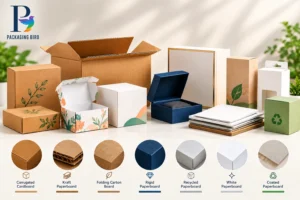
Different Types of Food Packaging Materials
Selecting packaging materials requires an understanding of the food product, its shelf-life requirements, and its intended storage conditions. Each material offers different advantages.
Plastic Packaging
Plastic packaging is widely used because it is lightweight, versatile, and available in many shapes and sizes. It can be suitable for containers, films, pouches, trays, and lids.
Depending on its composition, plastic can provide useful barriers against moisture, oxygen, and contamination. Food businesses should select food-contact materials that are appropriate for the intended food and temperature conditions.
Paper and Cardboard Packaging
Paper and cardboard are common choices for bakery boxes, takeaway packaging, dry food products, and outer packaging. They are lightweight and can offer convenient storage and transportation options.
However, untreated paper may not provide sufficient protection against moisture or grease. Coatings, liners, or other suitable features may be necessary for specific applications. Businesses should also consider whether the complete packaging structure can be recycled through their local waste management system.
Glass Packaging
Glass containers are frequently used for sauces, beverages, jams, and other food products. Glass is nonporous, does not readily react with food, and can provide an effective barrier against gases and moisture when properly sealed.
Its main disadvantages include weight and the possibility of breakage during transportation. Appropriate closures and protective packaging are therefore important.
Metal Packaging
Metal cans and containers are commonly used for foods that require a strong protective barrier. Properly manufactured and sealed metal packaging can protect food from light, oxygen, and external contamination.
Canned food products may also undergo specific thermal processing to achieve their intended shelf stability. The packaging material, sealing process, and food preservation method must work together to maintain safety.
The Role of Food Packaging in Preventing Contamination
Food safety depends on keeping harmful microorganisms and unwanted substances away from food. Packaging helps reduce contamination risks by limiting direct contact with external surfaces and environmental contaminants. Sealed containers, suitable lids, and tamper-evident features can provide additional protection during storage and distribution. For ready-to-eat foods, these features are particularly valuable because the products may be consumed without further cooking.
Nevertheless, packaging is only one part of a food safety system. Clean production areas, proper handwashing, safe food handling, sanitation, and temperature control remain essential. Businesses should also ensure that packaging is stored in clean conditions and handled properly before use. Damaged, incorrectly sealed, or unsuitable packaging can compromise product protection.
How the Right Packaging Can Extend Shelf Life
Shelf life refers to the period during which a food product maintains its required quality and safety under specified storage conditions. Appropriate packaging can help extend this period by slowing certain processes that cause deterioration.
For example, moisture-resistant packaging may help keep dry snacks crisp, while suitable sealed containers can reduce exposure to external contaminants. Some foods may benefit from oxygen barriers, refrigeration-compatible containers, or specialized packaging technologies.
The actual shelf life depends on several factors, including the ingredients, processing methods, initial microbial quality, packaging performance, and storage temperature. Food businesses should not assume that stronger packaging automatically means a longer shelf life. Testing and appropriate food safety assessments are necessary to determine whether a packaging system performs as intended.
Choosing Food Packaging Solutions for Your Business
Every food product has different packaging requirements. A container that works well for a cold dessert may not be suitable for a hot meal or a frozen product. Businesses should evaluate several factors before making a decision.
Consider the Type of Food
Start by identifying the product’s physical properties and storage needs. Is it liquid, solid, dry, oily, frozen, or temperature-sensitive? Does it require ventilation, moisture protection, or an airtight seal? Answering these questions helps narrow down suitable materials and packaging formats.
Check Food Safety and Material Compatibility
Packaging must be appropriate for its intended food-contact application. Businesses should check supplier specifications and applicable food-contact requirements, particularly when packaging will be exposed to heat, acidic ingredients, oils, or long storage periods.
Evaluate Durability and Convenience
Packaging should protect the product without making it difficult for customers to open, carry, store, or use. Secure closures, practical shapes, and appropriate container strength can improve both product protection and customer satisfaction.
Balance Cost and Product Protection
Price matters, but the cheapest packaging option may not provide the best overall value. Weak packaging can contribute to leaks, damaged products, customer complaints, and additional waste.
A better approach is to compare the total cost of packaging with its performance, storage efficiency, and ability to protect the product throughout distribution.
Consider Environmental Impact
Many businesses are exploring packaging that uses fewer materials, incorporates recycled content where appropriate, or can be recovered through established recycling systems.
Sustainable packaging decisions should consider the complete packaging design, local recycling infrastructure, food safety requirements, and the possibility of food waste. Replacing one material with another does not automatically make a package more environmentally friendly.
Common Food Packaging Mistakes to Avoid
Even good packaging materials can fail when they are not selected or used correctly. Avoiding common mistakes helps businesses maintain better control over product quality.
Some frequent problems include:
- Choosing packaging that does not suit the food’s moisture or oxygen sensitivity.
- Using containers that cannot withstand the required storage temperature.
- Failing to check seals and closures before distribution.
- Ignoring food-contact material requirements.
- Overlooking the effects of transportation and handling.
- Making shelf-life claims without suitable testing.
- Selecting packaging based only on price rather than overall performance.
Regular packaging checks and communication with reliable suppliers can help identify problems before they affect customers.
How Packaging Bird Can Support Better Food Packaging Choices
Choosing suitable packaging is an important step for businesses that want to protect food quality and provide a dependable customer experience. Understanding the relationship between packaging materials, product characteristics, and storage conditions makes it easier to identify practical options.
Packaging Bird recognizes the importance of packaging that meets the needs of modern food businesses. When evaluating packaging options, businesses should focus on product protection, material suitability, convenience, and value.
Whether a company sells baked goods, snacks, prepared meals, or other food products, its packaging should be selected with the product’s specific requirements in mind. A thoughtful approach can help reduce avoidable damage, support food safety practices, and maintain a consistent presentation.
Businesses should also review their packaging choices as products, distribution methods, and customer expectations change. Small improvements in material selection, sealing, and handling can make a meaningful difference over time.
Conclusion
Food packaging plays a vital role in maintaining freshness, protecting food from contamination, and supporting safe transportation. The right materials and packaging design can help control moisture, reduce oxygen exposure, prevent physical damage, and preserve product quality throughout the supply chain.
However, effective packaging must work alongside proper food handling, suitable storage temperatures, sanitation, and reliable quality control. Businesses should carefully evaluate their products before choosing packaging that meets their safety, durability, and shelf-life requirements.
With informed decisions and a focus on product protection, food businesses can improve the quality of their packaging and deliver a better experience to their customers. Packaging Bird encourages businesses to consider packaging as an essential part of maintaining food quality, building customer confidence, and supporting long-term business success.
Frequently Asked Questions (FAQs)
1. What are food packaging solutions?
Food packaging solutions include containers, boxes, pouches, films, trays, and sealing systems designed to protect food products. They help maintain quality, support safe handling, and make food easier to store, transport, and display.
2. How do food packaging solutions keep food fresh?
Food packaging helps preserve freshness by controlling exposure to oxygen and moisture, reducing contamination risks, and protecting products from physical damage. The results depend on the packaging material, food type, storage temperature, and handling practices.
3. Which packaging materials are best for food products?
Plastic, paper, cardboard, glass, and metal are commonly used for food packaging. The best option depends on the product’s moisture sensitivity, storage conditions, shelf-life requirements, and intended use.
4. Can food packaging extend shelf life?
Yes, suitable packaging can help extend shelf life by slowing oxidation, managing moisture, and reducing exposure to external contaminants. However, shelf life also depends on food processing, ingredients, temperature control, and proper handling.
5. Why is food-safe packaging important?
Food-safe packaging helps prevent unwanted substances from transferring into food and provides appropriate protection during storage and transportation. Businesses should choose materials that meet applicable food-contact requirements for their intended use.