Biodegradable packaging is becoming essential for companies who wish to remain relevant and ethical in today’s ecologically conscious world. Businesses are facing growing pressure to implement and reduce environmental impact by adopting sustainable packaging solutions as consumer awareness rises and US rules become more stringent.
Understanding biodegradable packaging is crucial for US brands in 2026, not only for compliance but also for fostering trust, enhancing brand perception, and maintaining competitiveness in a market that is changing quickly.
Key Takeaways
- Biodegradable packaging is essential for US brands in 2026.
- Eco-friendly materials reduce environmental impact and waste.
- Consumers prefer sustainable packaging and reward responsible brands.
- Regulations are tightening, making early adoption important.
- Boosts brand image and trust in a competitive market.
- Higher upfront cost, but long-term value is strong.
- Not all biodegradable = compostable—know the difference.
- Future growth and innovation will make it more accessible.
What Is Biodegradable Packaging?
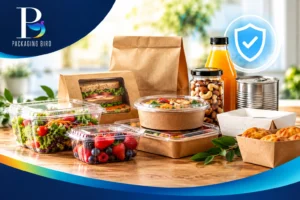
Materials that naturally decompose into organic elements like carbon dioxide, water, and biomass with the aid of microorganisms are referred to as biodegradable packaging. Eco-friendly packaging options are made to break down considerably more quickly without leaving hazardous residues, in contrast to conventional plastics, which might take hundreds of years.
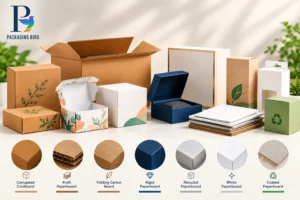
Typical components of sustainable packaging solutions include:
- Plant-based plastics (PLA)
- Kraft paper and cardboard
- Cornstarch packaging
- Bagasse (sugarcane fiber)
- Mushroom-based packaging
These materials are widely used across industries, making compostable packaging a versatile solution for modern brands.
Why Biodegradable Packaging Matters for US Brands
In the US, the market for eco-friendly packaging is expanding quickly. Businesses that don’t change risk losing market share as consumers actively select brands that share their environmental ideals.
Here are some reasons why sustainable packaging solutions are essential:
1. Changing Consumer Preferences
Eco-friendly packaging is preferred by modern consumers, who are also prepared to pay more for goods that lessen environmental damage. Businesses that use biodegradable packaging can increase consumer loyalty and draw in eco-aware consumers.
2. Regulatory Pressure
US laws pertaining to sustainable packaging solutions are getting stricter. Eco-friendly packaging is a safer option in the long run because several states are enacting laws to cut down on plastic waste.
3. Brand Image and Trust
Using biodegradable packaging enhances your brand’s reputation. It signals responsibility, innovation, and commitment to sustainability—key factors that influence purchasing decisions.
Key Benefits of Biodegradable Packaging
Switching to compostable packaging offers several advantages for US brands:
Reduced Environmental Impact
Eco-friendly packaging decomposes naturally, lowering pollution and landfill waste compared to conventional materials.
Improved Brand Positioning
Companies that use sustainable packaging solutions are frequently seen as more conscientious and progressive.
Compliance with Regulations
Businesses may stay ahead of changing environmental regulations by implementing biodegradable packaging.
Versatility Across Industries
From food and beverages to cosmetics and retail, biodegradable packaging can be customized to suit various product types.
Challenges to Consider
Although there are obvious advantages to biodegradable packaging, it’s crucial to recognize potential drawbacks:
Higher Initial Costs
Sustainable packaging solutions may be more expensive initially than traditional materials. But these expenses frequently go down as scale increases.
Performance Limitations
Particularly for heavier or moisture-sensitive goods, some eco-friendly packaging materials might not be as durable as conventional plastics.
Proper Disposal Requirements
Biodegradable packaging frequently needs certain conditions, like industrial composting facilities, in order to decompose efficiently.
Biodegradable vs Compostable Packaging
It’s important to distinguish between biodegradable and compostable packaging.
- Biodegradable packing breaks down naturally over time
- Compostable packaging requires controlled environments to decompose quickly
Understanding this difference helps brands choose the right sustainable packaging solutions based on their needs.
How US Brands Can Transition to Biodegradable Packaging
Using biodegradable packing calls for a calculated strategy. To guarantee a seamless transfer, follow these crucial steps:
1. Evaluate Your Current Packaging
Examine your current materials and look for ways to transition to more environmentally friendly packaging options.
2. Choose the Right Materials
Search for materials that strike a balance between affordability, durability, and sustainability. Not every product can be packaged in a biodegradable way.
3. Partner with the Right Supplier
Customization, quality, and compliance are guaranteed when working with seasoned packaging suppliers..
4. Educate Your Customers
Inform customers about your shift to sustainable packaging and how to properly dispose of it.
Future Trends in Biodegradable Packing
Compostable packaging is anticipated to progress and become more widely available as innovation continues.
Significant developments consist of:
- Improved durability and performance
- Increased affordability
- Wider availability of materials
- Integration with smart packaging technologies
Early adoption of eco-friendly packaging will provide US brands a competitive advantage and establish them as market leaders.
Why Biodegradable Packaging Is a Smart Investment
Switching to biodegradable packaging is not just about sustainability—it’s about long-term growth. It helps brands:
- Build stronger customer relationships
- Enhance brand credibility
- Stay compliant with regulations
- Reduce environmental impact
In a market where consumers value responsibility, eco-friendly packaging can become a key differentiator.
Final Thoughts
In 2026, biodegradable packaging will be a strategic need for US Brands, not an option. Businesses must change to stay competitive as sustainability becomes a determining factor in consumer choice.
Brands can improve their market position, future-proof their operations, and help create a healthier world by investing in sustainable packaging solutions today with Packaging Bird.
Frequently Asked Questions
- What is biodegradable packaging?
Biodegradable packaging refers to materials that naturally break down into organic elements without harming the environment.
- Is eco-friendly packaging better than plastic?
Yes, eco-friendly packaging is generally more environmentally friendly than traditional plastic, as it reduces long-term waste and pollution.
- Is sustainable packaging expensive?
Initially, sustainable packaging solutions may cost more, but long-term benefits such as brand value and compliance often outweigh the costs.
- Can all biodegradable packaging be composted?
No, not all biodegradable packaging is compostable. Some materials require specific conditions to break down effectively.