Customers do not judge a business only by the products it sells. They also notice how those products are presented, protected, and delivered. From the moment a package arrives at someone’s doorstep, it becomes part of their experience with the brand. Even a simple packaging choice can influence how customers feel about a company.
Today, environmental concerns are becoming an important part of purchasing decisions. Many consumers are paying closer attention to plastic waste, unnecessary packaging, and the materials businesses use to deliver their products. They want to support companies that take these concerns seriously.
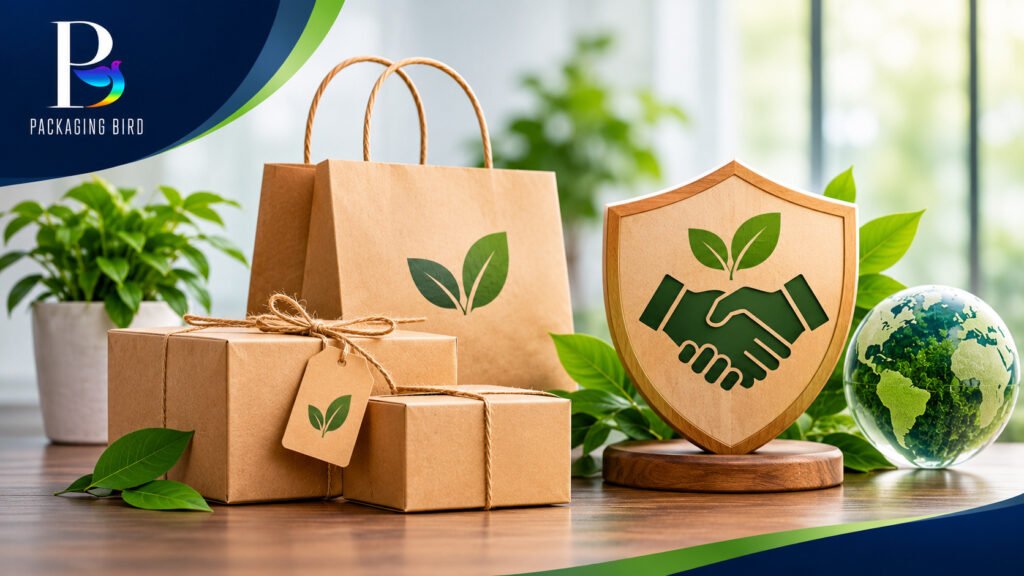
This has made sustainable packaging an important consideration for businesses of all sizes. Choosing recyclable materials, reducing unnecessary packaging, and using reusable alternatives can show customers that a company cares about its responsibilities.
But does sustainable packaging really help build customer trust? Yes, when businesses make genuine efforts and communicate their choices honestly. Let’s explore how better packaging decisions can improve customer relationships and support long-term brand growth.
What Makes Packaging Sustainable?
Sustainable packaging is designed to protect products while reducing the environmental impact associated with packaging materials. It focuses on using resources responsibly, limiting unnecessary waste, and considering what happens to packaging after customers receive their orders.
The right packaging should serve its main purpose without creating more waste than necessary. It should be strong enough to protect products, convenient for customers, and suitable for recycling, reuse, or composting where appropriate.
Businesses can consider several options:
- Recyclable cardboard: A practical option for shipping boxes, retail packaging, and product containers.
- Kraft paper packaging: Commonly used for wrapping, bags, and protective packaging.
- Reusable containers: Designed to be kept and used again rather than immediately discarded.
- Compostable materials: Suitable for specific applications where proper composting facilities are available.
- Lightweight packaging: Uses fewer materials while maintaining the protection products need.
Not every material works for every product. Businesses should consider durability, transportation, storage, and local recycling facilities before making a decision.
1. Customers Appreciate Businesses That Take Responsibility
People increasingly want to know what happens behind the products they purchase. They may not see a company’s manufacturing process or daily operations, but packaging gives them something visible to evaluate.
For example, imagine ordering a product online and receiving it in an oversized box filled with unnecessary plastic. Now compare that experience with receiving the same product in a properly sized cardboard box with simple protective materials.
The second option may leave a better impression because it shows that the business has considered its packaging choices. These small details can influence how customers view a brand. When companies make genuine efforts to reduce waste, they give consumers another reason to feel comfortable supporting them.
2. Better Packaging Creates a Memorable First Impression
First impressions matter in business, especially when customers are interacting with a brand for the first time. Packaging is often the first physical connection between an online business and its customer. Before using the product, people notice the box, wrapping, design, and overall presentation.
A clean and thoughtfully designed package can make a product feel more valuable. When businesses use sustainable materials without compromising appearance, they can create an experience that customers remember.
Consider a skincare company that uses simple cardboard boxes with carefully designed product inserts. The packaging can look professional without relying on excessive plastic or decorative layers. This approach combines appearance with practicality and gives customers a positive impression of the business.
3. Honest Packaging Choices Make a Brand More Trustworthy
Customers value honesty. They are more likely to trust a company when its marketing messages match its actual business practices. This is particularly important when businesses talk about environmental responsibility. Simply printing words such as green, natural, or eco-friendly on a package does not make the product sustainable.
Companies should be clear about the materials they use and avoid making environmental claims they cannot prove. For instance, if a business uses recyclable cardboard, it can explain that the material is recyclable where suitable facilities are available. If its packaging is compostable, it should provide information about the conditions required for composting.
Clear communication helps customers understand what a company is doing rather than leaving them with unrealistic expectations.
4. Sustainable Packaging Can Encourage Repeat Purchases
Winning a customer’s trust is important, but maintaining that relationship is equally valuable.
Customers remember their overall buying experience. Product quality, delivery speed, customer support, and packaging all contribute to their opinion of a business. When packaging is easy to open, protects the product, and avoids unnecessary materials, it can add to a positive experience.
For example, an online clothing store that uses appropriately sized paper-based mailers may appeal to customers who prefer less packaging waste. If the products also meet their expectations, customers may be more willing to shop with the same business again.
Sustainable packaging does not guarantee customer loyalty, but it can support the positive experiences that help build long-term relationships.
5. It Gives Businesses a Way to Stand Out in Competitive Markets
Many businesses sell similar products at comparable prices. In such situations, small details can influence which brand customers choose. Packaging offers another opportunity to create a recognisable brand experience. A company that uses attractive, practical, and responsibly selected packaging can communicate its values without relying entirely on advertising.
For example, a gift company can use reusable boxes or recyclable paper wrapping to create an attractive presentation. An e-commerce store can reduce unnecessary packaging while keeping products secure during delivery.
These choices can help businesses develop a stronger identity and give customers a reason to remember their brand.
How to Choose the Right Sustainable Packaging for Your Business
Switching to sustainable packaging should be a planned decision. The cheapest or most environmentally labelled material is not always the best choice. Businesses need to understand their products, customers, shipping requirements, and packaging budget before selecting an alternative.
Here are some practical factors to consider.
Understand What Your Product Needs
Start by considering the type of product you sell. Fragile items require more protection than clothing or other lightweight products.
For example, glass products may need strong cardboard boxes and suitable protective inserts. Using packaging that cannot withstand transportation may result in damaged products, returns, and additional waste.
Consider Recyclability and Material Disposal
A material may be labelled recyclable or compostable, but customers also need access to suitable disposal facilities. Businesses should check whether their chosen packaging can be processed through commonly available local recycling or composting systems. Providing simple disposal instructions can also make it easier for customers to handle packaging responsibly.
Reduce Unnecessary Packaging
One of the easiest improvements is to review how much packaging a product actually needs. Some businesses use boxes that are much larger than their products or include multiple unnecessary wrapping layers. Reducing these materials can help lower packaging consumption and may also improve storage and shipping efficiency.
Balance Quality With Affordability
Packaging decisions affect business expenses. Before changing materials, companies should compare the price, durability, availability, and transportation requirements of different options.
A packaging solution should support environmental goals without creating unnecessary financial pressure.
Sustainable Packaging Mistakes Businesses Should Avoid
Moving towards more responsible packaging is a positive step, but businesses should avoid a few common mistakes.
Choosing materials only because they look environmentally friendly: Appearance does not determine environmental performance. Businesses should check material specifications and disposal requirements.
Ignoring product safety: Reducing packaging is not useful if products become damaged during transportation. Protection should always remain a priority.
Making unsupported green claims: Businesses should communicate environmental benefits accurately and avoid exaggerated promises.
Forgetting customer convenience: Packaging should be easy to open, handle, store, and dispose of.
Changing everything at once: Businesses can begin with one product category or packaging component, evaluate the results, and gradually introduce further improvements.
A thoughtful approach is more practical than making changes without understanding their impact.
How Packaging Bird Can Support Better Packaging Decisions
Finding suitable packaging is an important part of creating a professional and consistent brand experience. Businesses need solutions that match their products, protect orders during delivery, and present their brands effectively.
Packaging Bird understands that packaging is more than a container. It is part of how a business introduces its products to customers.
Whether a company needs custom boxes, product packaging, or solutions for e-commerce orders, selecting the right design and materials can make a difference. Businesses exploring sustainable packaging should consider material efficiency, product protection, appearance, and disposal options together. This helps create packaging that works for both the company and its customers.
Visit Packaging Bird to explore packaging options and find solutions that match your business requirements.
What Does the Future Hold for Sustainable Packaging?
Packaging expectations will continue to change as businesses and consumers become more aware of waste and resource consumption. Companies are already exploring ways to reduce material usage, improve recycling options, and develop packaging that serves more than one purpose.
Lightweight designs, reusable containers, recyclable materials, and better packaging production methods are likely to remain important areas of development.
However, progress does not always require expensive technology or a complete change in packaging operations. Sometimes, using a smaller box, removing unnecessary plastic, or selecting a more suitable material is a meaningful starting point.
Businesses that regularly review their packaging choices can identify opportunities to improve efficiency while responding to customer expectations.
Frequently Asked Questions
1. How Does Sustainable Packaging Build Customer Trust?
Sustainable packaging can build customer trust by showing that a business considers environmental responsibility alongside product quality and customer satisfaction. Genuine efforts and honest communication help strengthen a brand’s credibility.
2. Is Sustainable Packaging Important for Small Businesses?
Yes. Small businesses can benefit from using appropriately sized boxes, recyclable materials, and reduced packaging. Even small improvements can help create a more professional customer experience.
3. Which Materials Are Commonly Used for Sustainable Packaging?
Common materials include cardboard, kraft paper, recyclable plastics, reusable containers, and certain compostable materials. The right option depends on the product and available disposal facilities.
4. Can Sustainable Packaging Improve Brand Image?
Yes. Thoughtful packaging choices can help communicate a company’s values, create a positive first impression, and make its products more appealing to environmentally conscious customers.
5. Does Sustainable Packaging Cost More?
Not necessarily. Some sustainable materials have higher initial costs, while reducing unnecessary packaging can help lower material and shipping expenses. Businesses should compare overall costs before choosing an option.
6. How Can a Business Start Using Sustainable Packaging?
A business can begin by reviewing its current packaging, identifying unnecessary materials, testing recyclable alternatives, and choosing suitable package sizes. Gradual improvements can make the transition easier.
Conclusion
Building customer trust takes time, consistency, and attention to the details that matter to buyers. Packaging is one of those details. It protects products, introduces customers to a brand, and communicates the thought behind a company’s decisions.
Sustainable packaging gives businesses an opportunity to make that experience more responsible. By choosing suitable materials, reducing unnecessary waste, and being honest about environmental efforts, companies can create a positive impression and strengthen customer relationships.
For Packaging Bird, the message is simple: good packaging should do more than protect a product. It should also support the brand, meet customer expectations, and reflect thoughtful business decisions.