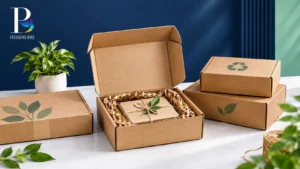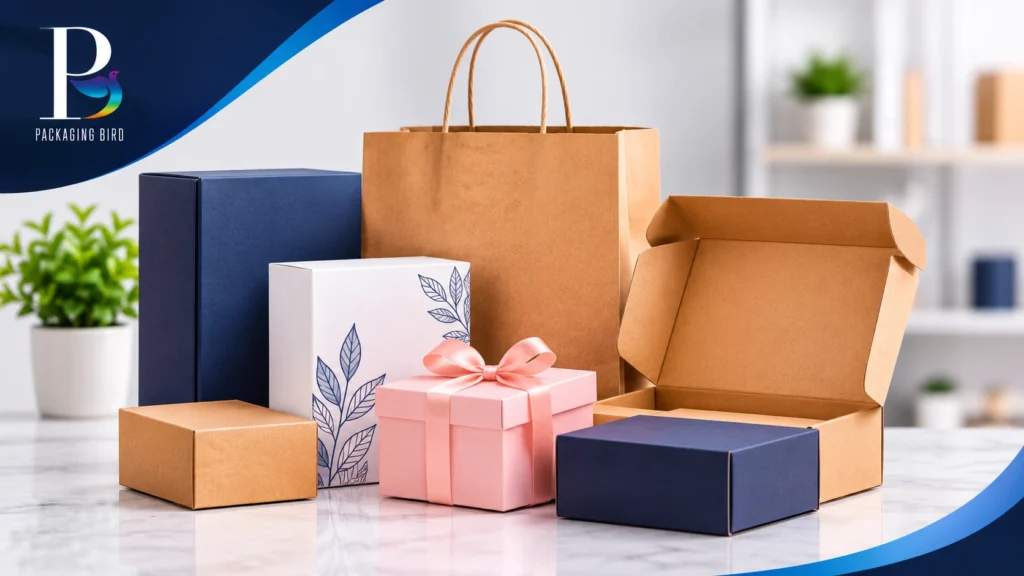
A product may be excellent, but its packaging still plays an important role in how customers experience it. Think about receiving a skincare product in a beautifully designed box, opening a carefully packed electronic device, or purchasing a gift wrapped in packaging that feels special. These small details can influence how people view a brand.
For businesses, packaging is much more than an outer covering. It protects products, supports transportation, keeps items organized, and communicates a company’s identity. However, the packaging requirements of a clothing brand are very different from those of a food manufacturer or electronics company.
This is where Custom Industry Packaging Solutions become valuable. They allow businesses to choose packaging that fits their products instead of adjusting their products to fit standard boxes. From material selection to box dimensions and printing, every detail can be considered according to the needs of a particular industry.
For growing brands, finding the right packaging approach can make everyday operations easier while creating a more professional experience for customers.
Why Standard Packaging Does Not Work for Every Business
Standard packaging may be convenient, but it does not always provide the right solution. Products come in different shapes, sizes, weights, and materials. Some need extra cushioning, while others require attractive presentation or specific labeling.
Imagine a company selling handmade candles. Its packaging must hold the candle securely and prevent unnecessary movement during delivery. A clothing retailer, on the other hand, may prefer lightweight boxes that keep garments neatly arranged without adding excessive shipping weight.
Using the same packaging approach for both businesses would not make much sense.
Customized packaging gives companies more control over important details, including:
- Box dimensions that match the product.
- Materials selected for the intended application.
- Internal inserts that keep products in place.
- Printing that reflects the brand’s identity.
- Opening styles that improve customer convenience.
- Packaging structures suited to storage and transportation.
When these elements work together, packaging becomes a useful part of the business rather than an additional expense with little purpose.
How Different Industries Approach Their Packaging Needs
Every industry has its own priorities. Some businesses focus on presentation, others place greater importance on protection, and many need to balance both. Understanding these differences makes it easier to choose packaging that serves a practical purpose.
1. Food Businesses Need Packaging That Supports Product Quality
Food packaging requires careful consideration because materials come into contact with products that people consume. Businesses must select suitable food-contact materials and follow applicable safety requirements.
A bakery, for example, may need boxes that hold cakes securely and prevent decorations from being damaged. A takeaway restaurant has different priorities, including convenient handling and packaging that suits the food being served.
Custom food packaging can be designed for:
- Bakery items and desserts.
- Pizza and takeaway meals.
- Snacks and confectionery.
- Restaurant food orders.
- Packaged food products.
The design should consider the type of food, expected handling conditions, and storage requirements. Attractive printing can also help food brands create a consistent appearance across their packaging.
2. Cosmetic Packaging Helps Beauty Brands Create a Lasting Impression
In the beauty industry, customers often notice packaging before they explore the product itself. The appearance of a skincare or makeup box can influence whether a product feels affordable, premium, or gift-worthy.
Consider a skincare brand selling moisturizers, serums, and facial cleansers. Instead of using unrelated packaging for every item, the company can develop a consistent design that connects the entire product range.
Custom cosmetic packaging boxes offer opportunities to use:
- Attractive color combinations.
- Professional typography and logos.
- Product-specific box dimensions.
- Protective inserts for bottles and jars.
- Matte, gloss, or other suitable finishes.
The objective is to create packaging that looks appealing while keeping the products properly positioned and protected.
3. Apparel Packaging Should Keep Products Neat and Presentable
Clothing businesses deal with products that vary in size, fabric, and presentation requirements. A packaging solution suitable for a T-shirt may not be appropriate for a formal dress or a collection of accessories.
Custom apparel packaging helps fashion brands present their products consistently. Online clothing stores can also use branded mailer boxes to make delivered orders feel more professional.
For apparel businesses, useful packaging considerations include:
- Appropriate box dimensions.
- Clean and attractive printing.
- Space for folded garments.
- Lightweight but suitable materials.
- Easy opening and handling.
A simple, well-planned design can make a clothing order feel more organized without requiring unnecessary decorative elements.
4. Electronics Packaging Must Prioritize Protection
Electronic products can be sensitive to impact, pressure, and movement. A poorly fitted box may allow devices to shift during transportation, increasing the possibility of damage. This is why electronics businesses often require packaging with carefully designed internal support.
Custom electronics packaging can include cardboard inserts, dividers, cushioning, and compartments for accessories. These features help keep individual components organized.
For example, a company selling headphones may need space for the main device, charging cable, and instruction booklet. A business shipping computer components may require a different internal structure altogether.
5. Retail Packaging Should Connect Products With Brand Identity
Retail packaging has an important job: helping products look organized and recognizable. When customers browse store shelves, packaging design can influence which products attract their attention. A consistent appearance across different product categories helps businesses build brand recognition. Custom retail packaging boxes can carry logos, product details, brand colors, and other design elements.
Businesses should consider how their packaging will look from different angles, whether it will be displayed on shelves, and how customers will handle it after purchasing. Good retail packaging does not necessarily need complicated graphics. A clear design that communicates the brand effectively can be just as valuable.
6. Jewelry Packaging Needs Careful Presentation
Jewelry is often purchased for personal use, celebrations, and special occasions. Its packaging should reflect the value and delicate nature of the product. Custom jewelry boxes can include fitted inserts that keep rings, earrings, necklaces, and bracelets in place. Soft interior materials may also help prevent unwanted movement and contact between items.
For jewelry brands, packaging is part of the overall buying experience. A thoughtful design can make the product more suitable for gifting and help customers remember the brand.
7. Pharmaceutical Packaging Requires Careful Material Selection
Pharmaceutical and healthcare products have packaging requirements that may involve product protection, accurate labeling, traceability, and regulatory compliance.
Depending on the product, packaging may need to help protect against moisture, light, or physical damage. Businesses should work with suppliers familiar with the applicable requirements for their product category.
In this industry, appearance matters, but product integrity and compliance must remain the priority.
What Should You Consider Before Ordering Custom Packaging?
Choosing a packaging design can be exciting, especially when planning a new product launch. However, making a decision based only on appearance can lead to problems later. Before placing an order, businesses should take time to understand what their products actually need.
Start With Accurate Product Measurements
Measure the product’s length, width, and height. If it requires protective inserts, account for the additional space they will occupy. A box that is too large may allow unnecessary movement, while one that is too small can put pressure on the product. Accurate measurements also help suppliers recommend an appropriate packaging structure.
Choose Materials According to the Product
Different materials serve different purposes. Corrugated cardboard is commonly used for shipping, while paperboard is popular for retail packaging. Rigid boxes are often selected for premium products.
Kraft paper is another option for brands that prefer a natural-looking appearance. The right choice depends on product weight, fragility, handling conditions, budget, and intended presentation.
Think About the Customer’s Experience
Consider what happens when someone receives your product. Can the box be opened easily? Is the product arranged neatly? Does the packaging look professional? Are important product details easy to find?
These questions can help identify improvements that make packaging more convenient and attractive.
Keep Branding Consistent
Your packaging should look like it belongs to your business. Use consistent brand colors, typography, logos, and visual elements across different products. This does not mean every box needs to look identical. The design can change according to the product while maintaining a recognizable brand identity.
Understand Your Order Quantity and Budget
Packaging costs depend on several factors, including materials, dimensions, printing, finishing, and order quantity. Businesses should compare the complete cost rather than focusing only on the price of an individual box.
If you are introducing a new product, requesting a sample before ordering in larger quantities can help you evaluate the design, fit, and material quality.
How Better Packaging Can Make Daily Business Operations Easier
Packaging decisions influence more than the appearance of a product. They can also affect how a business stores, prepares, and ships its orders.
For example, a retailer handling hundreds of orders each week needs packaging that is easy to store and assemble. A manufacturer may require boxes that keep products organized during distribution. Well-planned packaging can help businesses in several ways.
More organized packing: Product-specific box dimensions and inserts make it easier to position items correctly.
Less unnecessary space: Packaging designed around actual product measurements can reduce empty space inside boxes.
Improved handling: Suitable packaging structures make products easier to store, move, and prepare for shipment.
Consistent presentation: Standardized designs help businesses maintain a professional appearance across different orders.
Better product protection: Appropriate materials and internal support can reduce the risk of movement and damage during transportation.
These benefits depend on the packaging design and how it is used. Businesses should test their packaging under realistic handling and shipping conditions before adopting it on a larger scale.
Is Sustainable Packaging a Practical Choice for Modern Brands?
Sustainability has become an important consideration when businesses select packaging materials. Customers are paying more attention to waste, recyclability, and the environmental impact of products they purchase.
However, choosing sustainable packaging is not simply about selecting a material with an environmentally friendly appearance. Businesses should consider the entire packaging application.
For example, using a recyclable cardboard box may be a suitable option for a clothing brand. A business shipping fragile glass products may need additional protective material to prevent breakage.
Some practical ways to improve packaging efficiency include:
- Selecting recyclable materials where appropriate.
- Reducing unnecessary packaging layers.
- Choosing box dimensions that fit products properly.
- Avoiding excessive decorative materials.
- Exploring responsibly sourced paper products.
- Providing clear recycling information where applicable.
A useful approach is to reduce unnecessary material without compromising product protection. This allows businesses to make more thoughtful packaging decisions while maintaining product quality.
Why Packaging Bird Is Worth Considering for Your Packaging Needs
Finding suitable packaging is not always straightforward. Businesses need to consider product dimensions, material requirements, printing, quantities, and costs before choosing a solution.
Packaging Bird provides packaging solutions for businesses looking to create customized boxes for different products and industries. Whether you run an online store, manage a fashion brand, sell beauty products, or operate a food business, your packaging should reflect how your products are made, stored, and delivered.
When exploring packaging options with Packaging Bird, consider discussing the following details:
- The type of product you want to package.
- Required box dimensions and structure.
- Preferred material and printing style.
- Estimated order quantity.
- Any special product protection requirements.
Having this information ready can make the selection process more productive and help you identify an option that suits your business.
Final Thoughts
The right packaging can solve practical problems while giving customers a better impression of your business. A food company needs materials suitable for its products, an electronics brand needs reliable internal protection, and a fashion retailer may prioritize presentation and convenience.
There is no single packaging design that works equally well for every business. Each product has its own requirements, which is why customization deserves careful attention.
Custom Industry Packaging Solutions give businesses the flexibility to select suitable materials, dimensions, printing, and structures for their products. When these elements are planned properly, packaging can support product protection, smoother operations, and stronger brand presentation.
If you are planning to update your existing packaging or introduce a new product, start by understanding what your product needs. Explore the available options at Packaging Bird and choose a packaging approach that makes sense for your business.
Frequently Asked Questions
1. What Are Custom Industry Packaging Solutions?
Custom Industry Packaging Solutions are packaging options developed around the specific requirements of different industries. They can include customized box sizes, materials, printing, inserts, and structural designs.
2. Which Industries Can Benefit From Customized Packaging?
Food, cosmetics, apparel, electronics, retail, jewelry, pharmaceuticals, and e-commerce businesses can benefit from customized packaging. The design depends on the product and its handling requirements.
3. How Do I Know Which Packaging Material Is Right for My Product?
Consider the product’s weight, dimensions, fragility, storage conditions, and transportation requirements. Corrugated cardboard, paperboard, rigid board, and kraft paper are common choices for different applications.
4. Can Custom Packaging Improve Brand Recognition?
Yes. Consistent logos, colors, typography, and printed designs can make packaging more recognizable. Customers may also develop stronger brand associations when packaging maintains a consistent appearance.
5. Is Custom Packaging Expensive for Small Businesses?
The cost depends on material, dimensions, printing, finishing, and order quantity. Small businesses can compare different box styles and customization options to find packaging that fits their budget.
6. What Is the Difference Between Retail Packaging and Shipping Packaging?
Retail packaging focuses on product presentation, branding, and shelf appeal. Shipping packaging places greater emphasis on protecting products during handling and transportation. Some boxes are designed to serve both purposes.
7. Can Custom Packaging Be Environmentally Friendly?
Yes. Businesses can explore recyclable paper-based materials, responsibly sourced options, and packaging designs that use less material. The selected solution should still provide appropriate protection for the product.
8. Why Should Businesses Request Packaging Samples?
Samples allow businesses to check box dimensions, material quality, printing, and product fit before placing a larger order. They can also help identify design changes that may be needed.