When customers pick up a food product, packaging is often the first thing they notice. Before tasting the food or learning about its ingredients, they see the box, bag, pouch, or container that holds it. Good packaging creates a positive first impression, but its role goes far beyond appearance. It helps protect food, makes storage easier, and gives businesses an opportunity to present their products professionally.
For food manufacturers, restaurants, bakeries, and retail brands, choosing the right packaging requires careful consideration. A packaging style that works perfectly for cookies may not be suitable for frozen meals or liquid products. Every food item has different storage, handling, and protection requirements.
This is why selecting the right food packaging solution is an important part of running a successful food business. The goal is to find packaging that keeps products protected, supports their intended shelf life, and represents your brand effectively.
Why Food Businesses Need the Right Packaging
Food products go through several stages before reaching customers. They are prepared, packed, stored, transported, displayed, and eventually purchased. During this process, packaging helps maintain product quality and makes handling more convenient.
However, not all packaging provides the same benefits.
For example, a bakery selling delicate cupcakes needs boxes that prevent movement and protect decorative toppings. A company selling roasted nuts needs packaging that helps keep moisture away and maintains the product’s crisp texture. The right packaging can make a noticeable difference in several ways.
Protecting Products During Storage and Delivery
Food can be affected by moisture, oxygen, temperature changes, and physical damage. Suitable packaging helps reduce these risks and keeps products in better condition.
For businesses offering delivery services, packaging should also be strong enough to handle normal transportation conditions without opening, leaking, or crushing easily.
Making Products More Attractive
Customers often associate professional packaging with product quality. A neat design, suitable colors, and clear branding can make a food item look more appealing. Packaging also gives smaller businesses an opportunity to compete with established brands by creating a recognizable appearance.
Supporting Customer Convenience
Packaging should be practical for everyday use. Easy-open designs, secure closures, resealable pouches, and suitable portion sizes can make products more convenient for customers. These small details can improve the overall experience and encourage repeat purchases.
Popular Food Packaging Options and Their Uses
The packaging industry offers different materials and designs for various food categories. Understanding their features can help businesses select an option that matches their products.
1. Kraft Paper Packaging
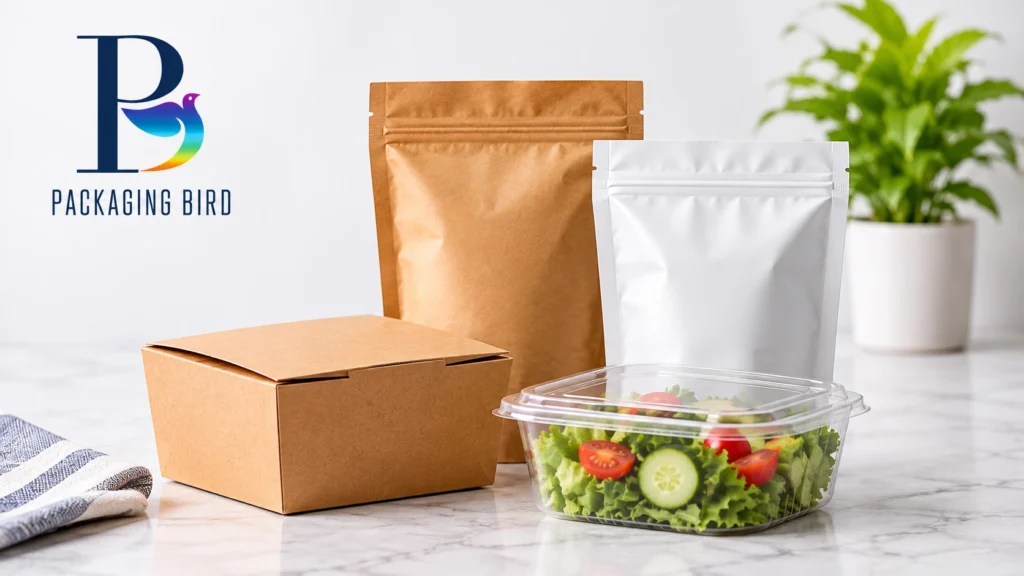
Kraft paper packaging is widely used by bakeries, cafes, restaurants, and takeaway businesses. Its natural appearance gives products a simple and professional look.
Businesses commonly use kraft packaging for:
- Bakery items and pastries
- Sandwiches and takeaway meals
- Cookies and dry snacks
- Food bags and wrapping
- Custom takeaway boxes
One of its main advantages is its versatility. Kraft paper can be converted into different packaging styles and customized with printed logos, labels, and brand designs. For oily or moisture-heavy foods, businesses should select suitable food-grade barriers or coatings.
2. Cardboard Food Boxes
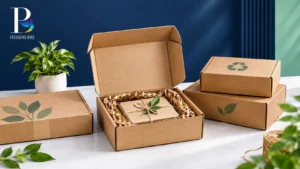
Cardboard packaging is a practical option for businesses that need a combination of structural support and attractive presentation.
It is commonly used for pizza, cakes, burgers, pastries, and other packaged food products. Businesses can customize cardboard boxes according to their product dimensions. They can also add windows, inserts, printed designs, and different finishing options. For food products that contain grease or moisture, the cardboard should include an appropriate food-safe protective barrier.
3. Flexible Food Pouches
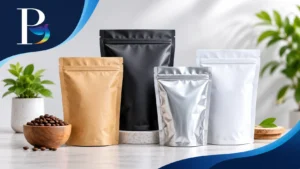
Flexible pouches are particularly useful for products that need compact, lightweight packaging. They are popular among snack manufacturers and brands selling dry food products.
Common applications include:
- Potato chips
- Dry fruits and nuts
- Coffee and tea
- Candies
- Powdered food products
Depending on their construction, flexible pouches can provide protection against moisture, oxygen, and light. Some designs also include resealable closures, making them convenient for products that are consumed over several occasions.
4. Plastic Food Containers
Plastic containers are often selected when businesses need packaging that allows customers to see the product inside.
They are commonly used for salads, fresh fruits, ready-to-eat meals, desserts, and refrigerated food items. Their lightweight structure and different shape options make them useful for restaurants and food retailers. However, the material must be suitable for the intended food and temperature conditions.
5. Vacuum-Sealed Food Packaging
Vacuum packaging removes air from a package before sealing it. This can help slow certain quality changes and extend the storage life of suitable food products.
It is commonly used for:
- Meat and poultry
- Seafood
- Cheese
- Certain prepared foods
- Selected dry food products
Vacuum packaging is not a replacement for proper refrigeration or food safety practices. Businesses should follow suitable processing and storage requirements for their specific products.
How to Select Packaging for Different Food Products
Choosing packaging becomes easier when you start with the product itself. Instead of selecting a design simply because it looks attractive, consider how the food will be stored, transported, and consumed.
Here are some practical examples.
Packaging for Bakery Items
Cakes, cookies, muffins, and pastries often require packaging that protects their shape and appearance. A bakery selling decorated cakes may benefit from sturdy boxes with secure closures and suitable inserts. For cookies, paperboard boxes or food-grade pouches can be practical choices.
The packaging should prevent unnecessary movement and make it easy for customers to carry the products.
Packaging for Snacks and Dry Foods
Snacks need packaging that helps preserve their original texture and quality. Exposure to moisture can make crispy products soft and less enjoyable. Resealable pouches and suitable laminated packaging are common choices. Businesses should consider the required moisture and oxygen barrier when selecting the material.
Packaging for Frozen Products
Frozen food packaging needs to remain durable at low temperatures. Materials should resist cracking, maintain their seals, and protect the food during storage and transportation. Freezer-grade pouches, suitable plastic trays, and specialized multilayer packaging are options worth considering.
Packaging for Takeaway Meals
Restaurants need packaging that can handle everyday orders and delivery conditions. Kraft boxes, cardboard meal containers, and suitable food-grade plastic containers are commonly used. For soups, sauces, and other liquid foods, secure leak-resistant packaging is particularly important.
Packaging for Fresh Produce
Fruits and vegetables need packaging that protects them from bruising while allowing appropriate airflow where necessary. Ventilated cartons, produce trays, and suitable paper-based packaging can help businesses manage storage and transportation more effectively.
Important Things to Consider Before Ordering Food Packaging
Selecting packaging involves more than choosing a material or deciding on a design. Businesses should evaluate several practical details before placing an order.
Understand Your Product’s Requirements
Think about the nature of your food product. Is it oily, dry, frozen, liquid, or sensitive to moisture? This information helps determine which materials and protective features are appropriate.
Check Food-Contact Safety
Any material that comes into direct contact with food should be suitable for its intended application and meet applicable food-contact requirements. Businesses should also consider coatings, adhesives, inks, and other components that may be part of the packaging.
Choose the Correct Size
Packaging should fit the product properly. A box that is too large may allow the food to move around, while a very small package can damage delicate items. Accurate dimensions also help businesses use storage and shipping space more efficiently.
Consider Your Branding Requirements
Packaging is a valuable opportunity to communicate your brand identity. Consider how your logo, product information, colors, and design elements will appear on the final package. The design should be attractive without making important product information difficult to read.
Compare Cost and Order Quantity
Packaging costs depend on several factors, including material, dimensions, printing, finishing, and production quantity. Before ordering, compare different options and consider how packaging costs fit into your overall product pricing.
Think About Environmental Impact
Many food businesses are exploring packaging options that can reduce unnecessary material use. Recyclable paperboard, appropriately sourced paper materials, and reusable packaging systems are worth considering where they meet product protection and food safety requirements.
How Custom Packaging Can Improve Your Food Brand
Imagine two similar food products displayed next to each other in a store. One comes in plain, unbranded packaging, while the other uses a professionally designed box with clear product information and a recognizable brand identity.
Customers may naturally be more interested in the product that looks carefully presented.
This is where custom packaging can make a difference.
Creates a Recognizable Identity: Consistent colors, logos, and design elements help customers become familiar with your brand.
Improves Shelf Presentation: A well-designed package can make products look organized and attractive in retail environments.
Provides a Better Product Fit: Custom dimensions help businesses avoid packaging that is unnecessarily large or unsuitable for their products.
Communicates Product Information: Packaging provides space for ingredients, nutritional details, storage instructions, and other relevant information.
Supports Brand Growth: As businesses introduce new products, consistent packaging helps maintain a professional appearance across their product range.
For growing food brands, these benefits can contribute to a stronger and more consistent market presence.
Common Packaging Mistakes That Can Affect Food Businesses
Even experienced food businesses can make packaging decisions that create unnecessary problems.
Some mistakes are worth avoiding:
- Choosing materials without checking their food-contact suitability.
- Using packaging that cannot withstand the required storage temperature.
- Ignoring moisture and grease protection.
- Ordering boxes without checking the actual product dimensions.
- Selecting designs that make important information difficult to read.
- Focusing entirely on appearance instead of product protection.
- Overlooking packaging performance during delivery and transportation.
Taking time to evaluate these details before production can help prevent avoidable expenses and packaging problems.
Why Choose Packaging Bird for Your Custom Packaging Needs?
Finding packaging that matches your product and brand requirements is an important step for any food business. A suitable packaging supplier can help you explore different materials, sizes, printing options, and designs.
Packaging Bird focuses on customized packaging solutions that help businesses present their products professionally and build a consistent brand identity.
Whether you are developing a new food product or updating the packaging of an existing range, it is important to consider both functionality and appearance.
When exploring packaging options with Packaging Bird, consider your product dimensions, preferred material, printing requirements, and expected order quantity. Having these details ready can make it easier to identify suitable packaging options.
The right packaging should support your product rather than simply make it look attractive. A carefully selected design can help improve presentation, provide practical protection, and create a better experience for customers.
Final Thoughts
Every food product has different packaging requirements, which is why businesses should avoid relying on a single packaging style for everything. Bakery items, frozen meals, snacks, fresh produce, and takeaway food all need materials that suit their particular characteristics. Before making a decision, consider product protection, storage conditions, food-contact safety, packaging dimensions, and branding. These factors will help you find an option that works for your business in the long run.
A well-planned food packaging solution does more than protect what is inside the package. It also helps communicate your brand’s identity and creates a positive impression before customers even try your product. With customized packaging options from Packaging Bird, businesses can explore ways to make their products look professional while meeting their practical packaging needs.
Frequently Asked Questions (FAQs)
1. What should I look for in food packaging?
Look for packaging that is suitable for direct food contact, protects the product, fits its storage conditions, and provides convenient handling. Material quality, dimensions, and branding should also be considered.
2. Which packaging is suitable for small food businesses?
Small food businesses can consider kraft boxes, paper bags, cardboard containers, and flexible pouches. The best option depends on the product type, budget, and packaging quantity required.
3. Does custom packaging help food brands attract customers?
Custom packaging can improve product presentation and make a brand more recognizable. Professional designs also help businesses create a consistent appearance across their product range.
4. What is the difference between rigid and flexible food packaging?
Rigid packaging maintains its shape and includes products such as cardboard boxes, trays, and plastic containers. Flexible packaging includes pouches, bags, and films that can adapt to the shape of their contents.
5. How can businesses reduce food packaging costs?
Businesses can review packaging dimensions, compare materials, avoid unnecessary design features, and select suitable order quantities. Choosing packaging that reduces product damage can also help control overall costs.
6. Is paper packaging suitable for all food products?
No. Paper packaging is suitable for many dry foods and takeaway applications, but wet, oily, or liquid products may require additional protective barriers or alternative materials.